Fulda (Germany)

The Benedictine monastery of Fulda (in what is now Hesse, Germany), was founded in 744 by Saint Sturm, a disciple of Saint Boniface, as one of Boniface's outposts in the reorganization of the church in Germany, and a base from which missionaries accompanied Charlemagnes armies in their political and military campaign to destroy Heathen Saxony.

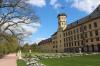
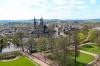
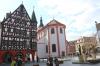
The city centre is dominated by the so called Baroque District. The largest buildings there are the basilica and the palace of the prince bishop.

The ten closest neighbours in the database:

Büdingen (Germany) (48 km), Gelnhausen (Germany) (52 km), Ronneburg (Germany) (56 km), Alzenau (Germany) (67 km), Hanau (Germany) (71 km), Aschaffenburg (Germany) (74 km), Saalburg Roman Fort (84 km), Frankfurt (Germany) (85 km), Kassel (Germany) (86 km), Würzburg (Germany) (87 km)
Take a birds-eye view of the current location:

Google Maps, Map 24, MSN Virtual Earth, Yahoo!Maps

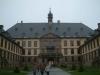
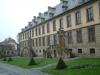
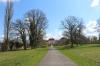
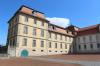
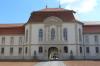
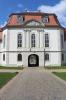
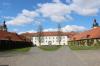
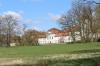
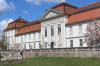
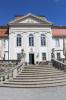
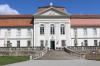
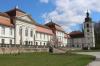
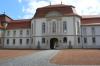
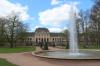
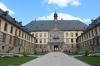
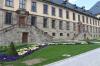
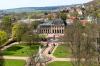
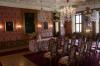
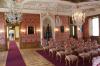
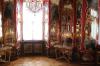
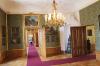
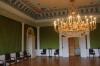
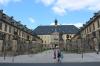
The palace of fulda as we see it today was built between 1706 and 1721. The prince abbots and prince bishops of Fulda resided here.
Hotel Kurfürst
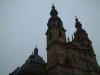
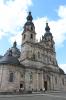
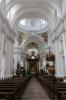
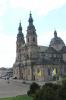
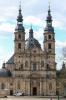
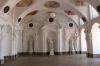
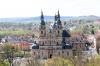
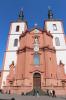
The cathedral St. Salvator and Boniface is the centre of the diocese of Fulda.
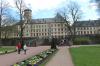
View from the square in fron of the cathedral to the palace of Fulda
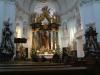
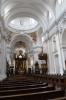
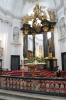
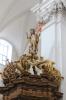
Altar in the cathedral Saint Salvator and Boniface of Fulda.

Prince abbot Adalbert von Schleifras assigned the planning of a new cathedral to Johann Dientzenhofer. The old Ratgarbasilica (formery the largest basilica north of the Alps) was taken down before construction of the new building began in 1704. Parts of the foundations of the old church were used again. The baroque masterpiece was consecrated on August 15, 1712.
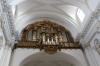
Organ in the cathedral Saint Salvator and Boniface of Fulda
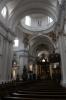
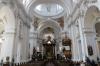
Cathedral Saint Salvator and Boniface of Fulda
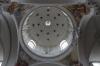
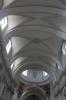
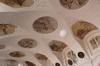
Central dome of the cathedral Saint Salvator and Boniface of Fulda
Altar in the cathedral Saint Salvator and Boniface of Fulda
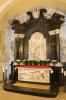
Tomb of Saint Boniface (672-754), Apostle to the Germans. The crypt is one of the few visible remains of the old Ratgar basilica.

The bones of the Saint rest in a decorated sarcophagus with reliefs created by Johann Neudecker.
Tomb of Saint Boniface (672-754), Apostle to the Germans
Statue of the Virgin Mary in the cathedral Saint Salvator and Boniface of Fulda
Cathedral Saint Salvator and Boniface of Fulda
Nativity scene in the cathedral Saint Salvator and Boniface of Fulda
Cathedral Saint Salvator and Boniface of Fulda
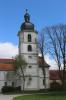
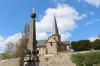
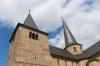
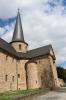
Michaelskirche
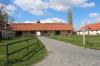
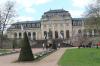
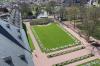
Orangerie of the Fulda palace
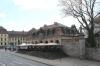
Baroque guard house nearby the palace of Fulda
The church St. Andreas in Fulda was redesigned in baroque style during the 17th century. It is part of the Benedictine monastery St. Andreas founded in the year 1023 by abbot Richard von Armorbach.
Creative Commons License Images displayed on this site are the property of, and are copyrighted by Stefan Plogmann. They are licensed under a Creative Commons License. An approval for commercial usage can be requested by sending an email to the author with a description of the intended usage.
All text of this picture gallery is available under the terms of the GNU Free Documentation License.

This website may contain hyperlinks to web pages of third parties. Stefan Plogmann accepts no liability or responsibility for the contents of such webpages and does not take over such webpages as its own. The use of such pages shall be at the sole risk of the user. Please also notice further legal information in the terms and conditions of this page.

You are also welcome to visit my private homepage http://www.plogmann.net. To stay informed about updates and new images in this gallery you can use this RSS-feed.